IMSL logo Dongguk UniversitySeoul, Korea
Research

Research Areas

On a consistent CFD methodology, we have steadily expanded the physics we resolve: from fluid dynamics to surface reactions, electrochemistry, and AI-integrated design.

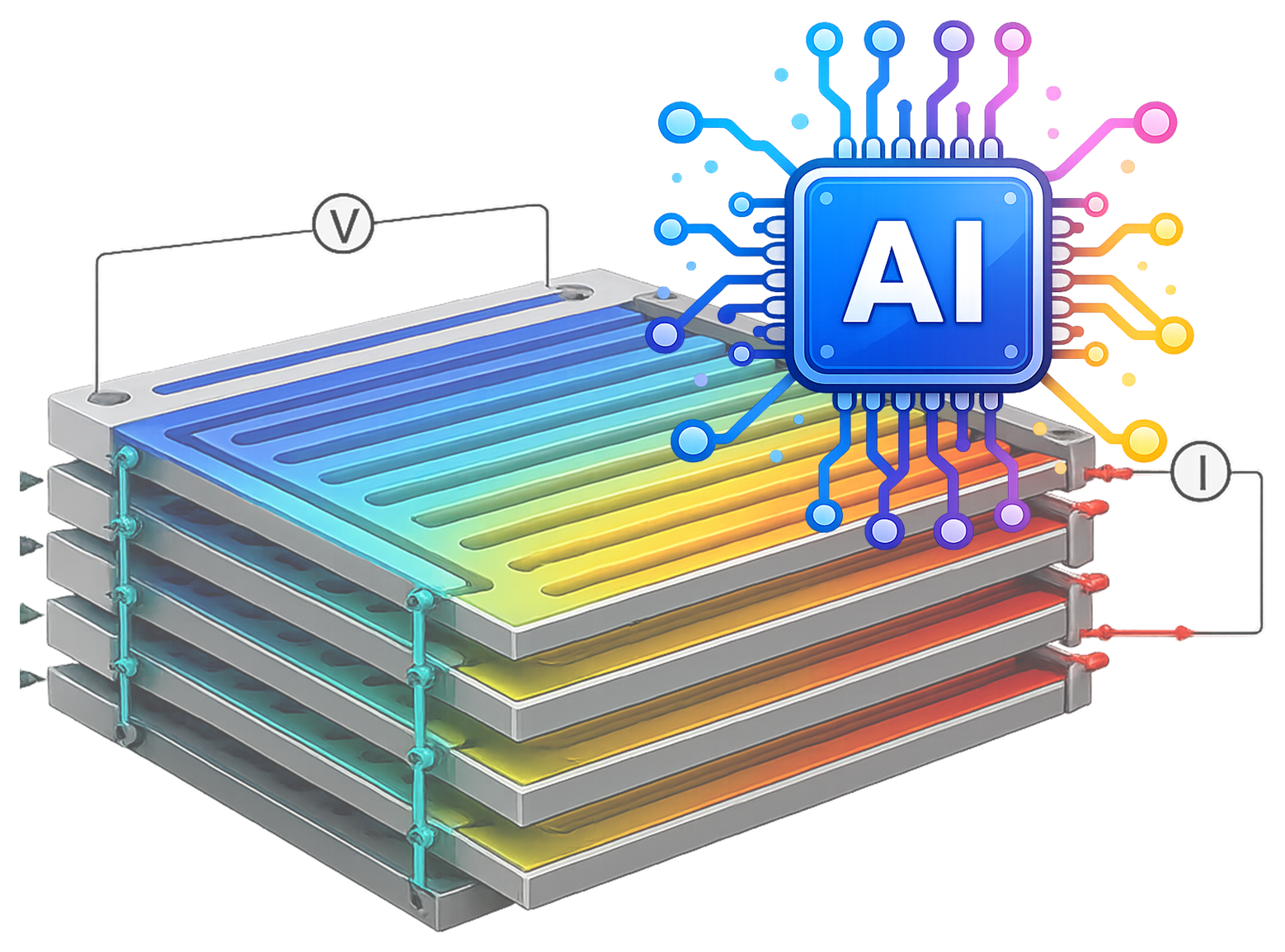
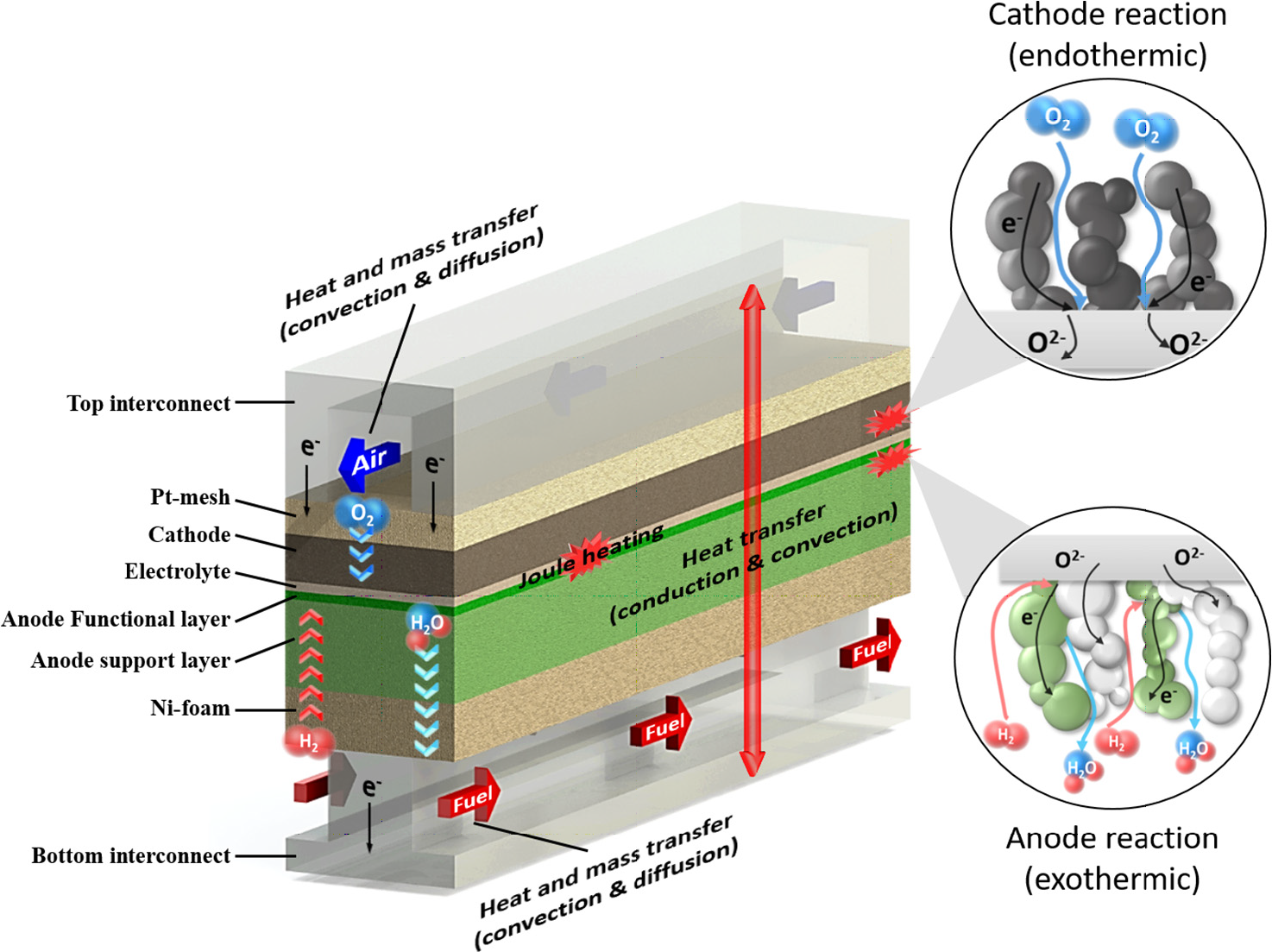
Heat, mass and charge transport and electrode reactions in a solid oxide cell repeating unit
01

Multiphysics CFD for SOFC/SOEC

3D multiphysics analysis of solid oxide fuel and electrolysis cells
  • High-fidelity 3D models coupling mass, momentum, energy, charge, and reaction (Ansys Fluent + UDF)
  • From a single channel (1 cm x 10 cm) to commercial cells (15 x 15 cm2) and stacks (15 x 15 x 25 cm3)
  • Transient thermo-electrochemical behavior under load change
  • Bipolar plate and manifold design by controlling thermal and flow resistance
Temperature deviation -65%Flow deviation -60%Stack ΔT 66 -> 45 °C
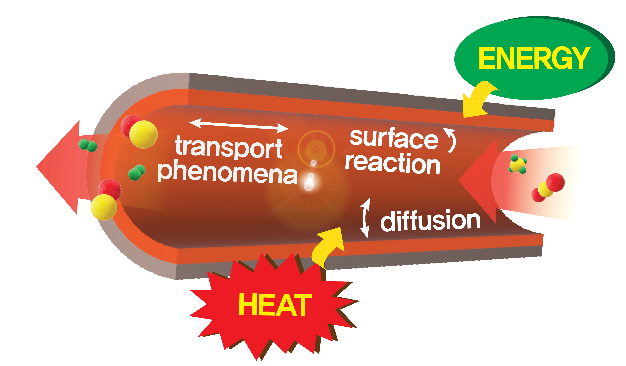
Transport phenomena and surface reaction in a catalytic reactor
02

Reacting Flow & Reaction Kinetics

Surface reacting-flow analysis and reaction mechanism development
  • 2D flow + surface reaction models of catalytic CH4 reforming reactors
  • Automated optimization of surface reaction mechanisms with a genetic algorithm (GA)
  • Reaction pathways identified with in-situ XPS, FT-IR, and DFT calculations
  • Experimental validation with GC/MS residual gas analysis (RGA)
Micro-kineticsGenetic algorithmCatalytic reactor
AI-CFD integrated design of a fuel cell stack
03

AI-CFD Integrated Design

Multi-objective optimal design combining AI and CFD
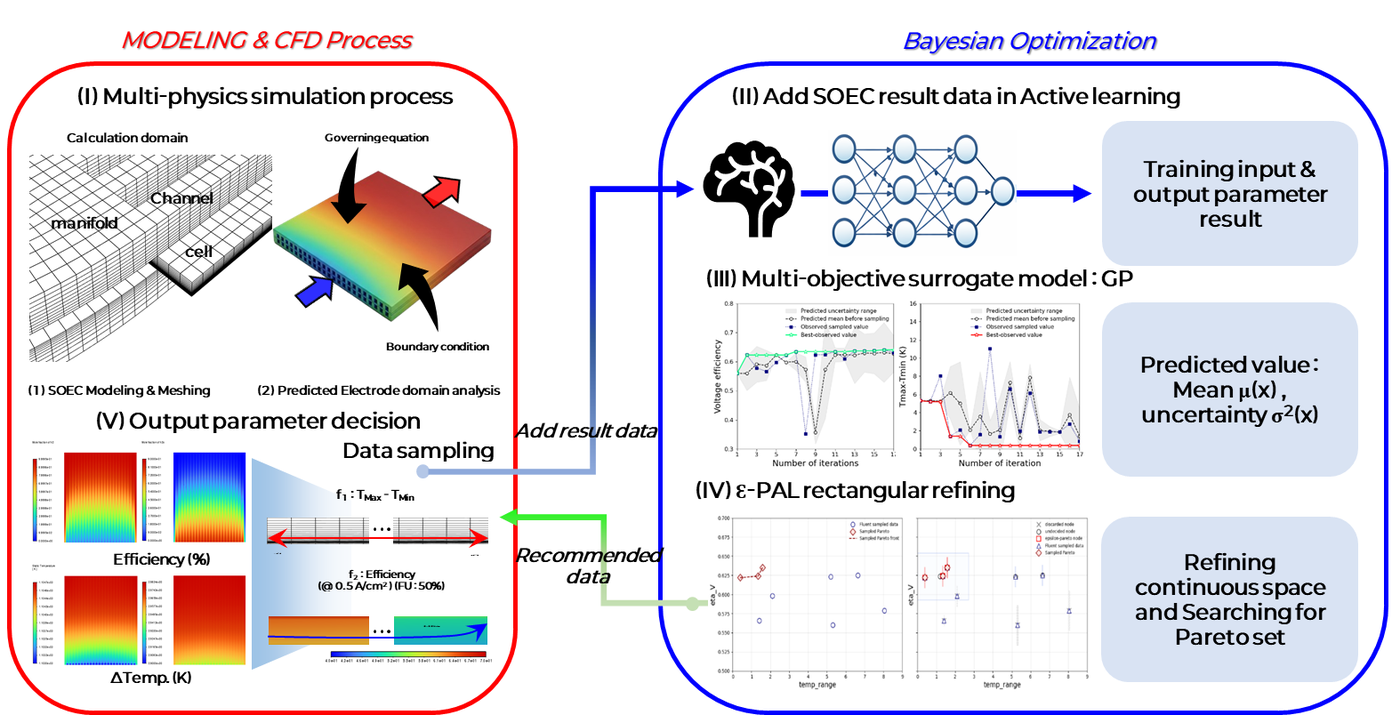
  • Bayesian optimization and active learning to cut CFD computing cost
  • Gaussian process (GP) multi-objective surrogate models and ε-PAL Pareto search
  • SOEC operating conditions that lower the thermal gradient (ΔT) and raise efficiency (η)
  • Stack design platform based on physics-informed neural networks (PINN)
Bayesian optimizationSurrogate modelPINN
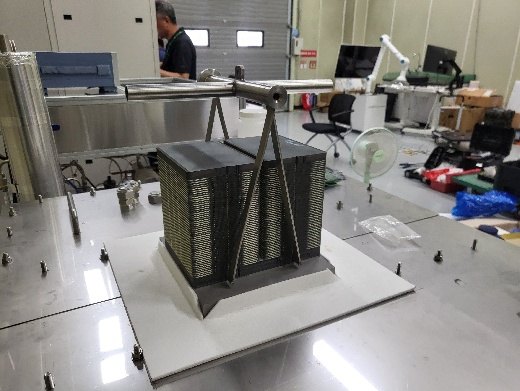
In-house 1 kW NH3-SOFC stack
04

Stack & System for Green H2

NH3-SOFC and SOEC stack fabrication and system analysis
  • In-house 1 kW-class NH3-SOFC full stack (40 cells) with long-term operation
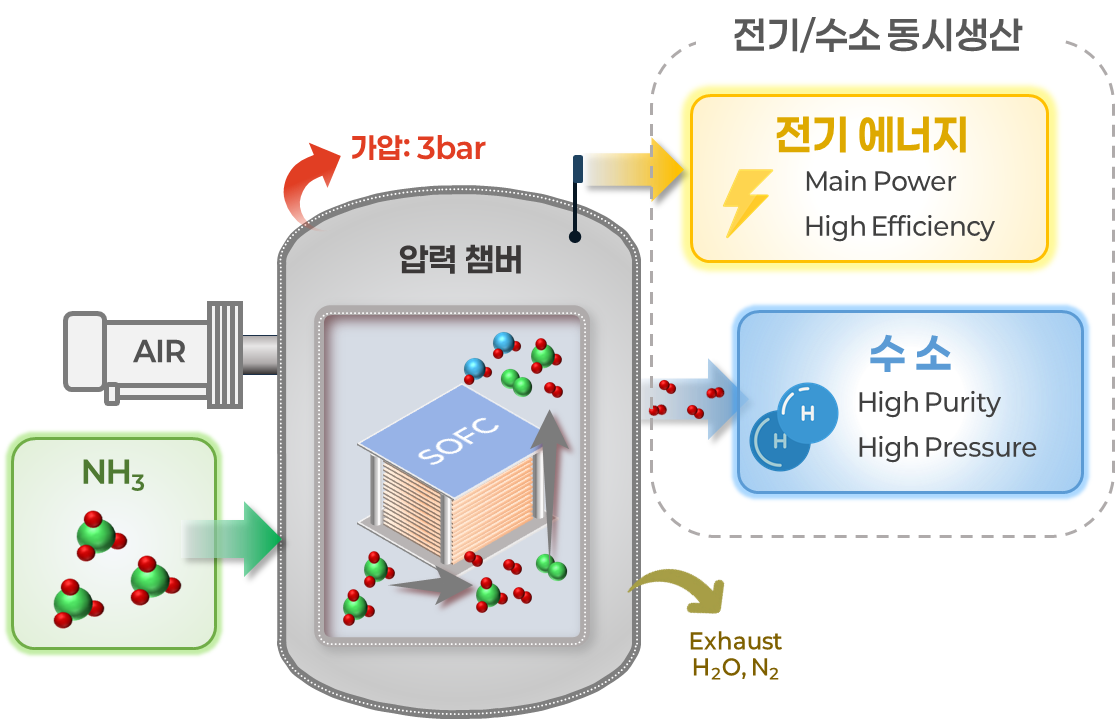
  • Pressurized (3 bar) NH3-SOFC system co-producing electricity and hydrogen
  • Internal cascade stacks that maximize fuel utilization
  • Next-generation SOEC with steam sweep gas on the air electrode
Cell voltage deviation 31 mVTotal efficiency 88.1%Stack FU 93.75%
Highlights

Research Highlights

"CFD is a tool for solving real problems." Our work goes beyond analysis to design, fabrication, validation, and technology transfer.

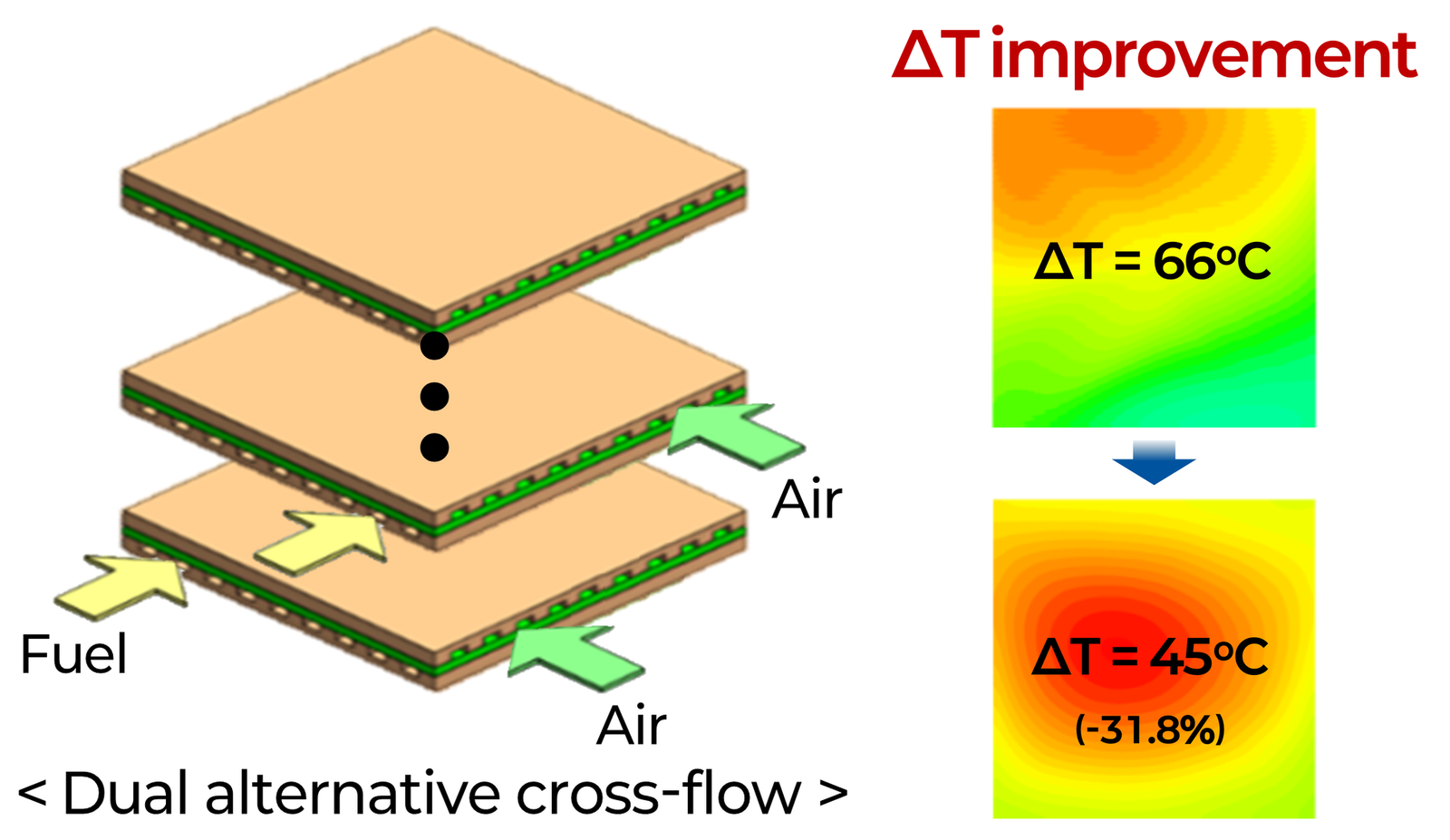
Dual alternative cross-flow stacking and the reduced stack temperature difference (66 -> 45 degC)
NH3-SOFC stack design optimization

A dual alternative cross-flow design cut the temperature difference inside the stack from 66 °C to 45 °C (-31.8%). (Energy Conversion and Management, 2023)

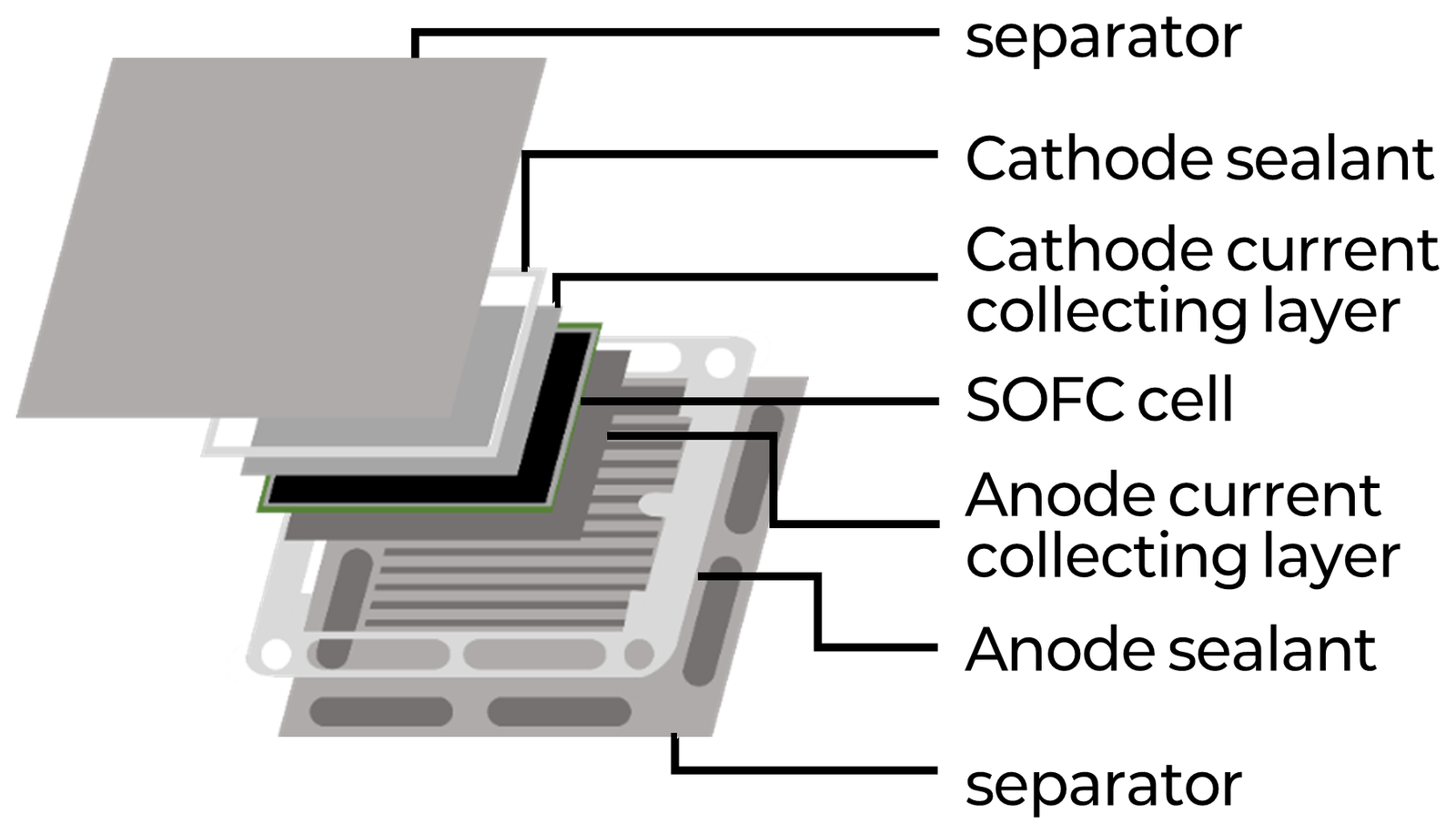
Exploded view of SOFC stack repeating-unit components (separator, sealant, current collecting layers, cell)
Improved stacking technology

Better bipolar plate roughness, sealing, and an alignment guide reduced the cell-to-cell voltage deviation of a 5-cell stack from 0.36 V to 0.045 V and raised power by 23.3%.

Pressurized NH3-SOFC system co-producing electricity and hydrogen
Pressurized NH3-SOFC for electricity and hydrogen

Operated in a 3 bar pressurized chamber, the system co-produces electricity and high-purity hydrogen with a total efficiency of 88.1%.

AI-CFD integrated optimization workflow
AI-CFD optimization of SOEC operation

CFD results are added to a GP surrogate through active learning to find the Pareto optimum between ΔT and efficiency. (Applied Thermal Engineering, 2026)